Preschool Playhouse: A Place Where Learning Feels Like Play
Step into a preschool playhouse and you’ll notice something right away—it doesn’t feel like school. It feels welcoming, colorful, and alive with energy. Children move freely, laughter fills the room, and every corner invites curiosity. And that’s exactly the point.
A preschool playhouse is designed around one simple idea: young children learn best when they feel safe, engaged, and free to explore. Through play, they build the skills they’ll carry with them for life—often without realizing they’re learning at all.
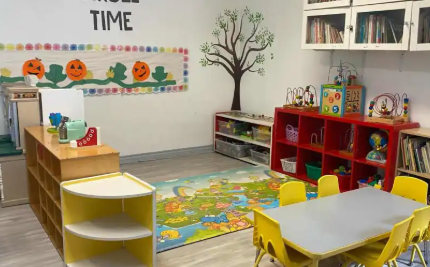
What Is a Preschool Playhouse?
A preschool playhouse is a play-based learning space for children ages two to five. Instead of worksheets or strict lessons, playhouses use hands-on activities, imagination, and movement to help children learn.
Here, play is not a break from learning—it is the learning. Every game, story, and interaction is thoughtfully designed to support a child’s growth in multiple ways.
Why Play-Based Learning Matters
Young children learn about the world through play. When they stack blocks, pretend to cook, or dress up as firefighters, they practice problem-solving, communication, and understanding emotions.
Play-based learning helps children:
- Build language naturally through conversation
- Strengthen motor skills through movement and creativity
- Develop social skills like sharing and cooperation
- Learn independence by making small choices
Rather than just memorizing facts, children in a playhouse learn to think, explore, and express themselves.
Inside a Preschool Playhouse
Each preschool playhouse is unique, but most have key activity areas that help children grow in different ways.
Pretend Play Area
This area often looks like a small version of the real world, with kitchens, shops, or home corners. Pretend play helps children explore emotions, learn about daily routines, and practice talking with others. It’s also where their imagination shines.
Creative Art Space
With crayons, paint, clay, and craft supplies, children can express themselves freely. Art builds fine motor skills and encourages creativity without any pressure. There’s no single right answer, only exploration.
Building and Problem-Solving Zone
Blocks, puzzles, and construction toys help children learn patience, balance, and logical thinking. When a tower falls, they learn resilience. When it stands, they feel proud.
Reading and Quiet Corner
A cozy area with books and soft seating gives children a chance to slow down. Storytime builds vocabulary, listening skills, and a love for books at an early age.
Movement and Play Space
Whether it’s dancing, climbing, or stretching, physical activity is essential. Movement helps children develop coordination, strength, and confidence in their bodies.
Social Growth Starts Early
One of the biggest benefits of a preschool playhouse is social development. For many children, this is their first experience being part of a group outside their family.
In a playhouse, children learn how to:
- Take turns
- Share toys
- Express feelings with words
- Resolve small conflicts
These early interactions help children understand others and build empathy, which is just as important as academic readiness.
Emotional Development Through Play
Play is how children process emotions. Through pretend games, they act out experiences, fears, and joys in a safe environment.
A supportive preschool playhouse helps children:
- Build confidence
- Feel secure away from home
- Develop independence
- Learn to manage emotions
When children feel understood and supported, they’re more willing to try new things and take healthy risks.
The Role of Teachers in a Playhouse
Teachers in a preschool playhouse act as guides rather than instructors. They observe children closely, offer gentle encouragement, and step in when guidance is needed.
Great playhouse educators:
- Understand early childhood development
- Create consistent, comforting routines
- Encourage curiosity and questions
- Focus on effort, not perfection
Their calm presence turns everyday play into meaningful learning moments.
Indoor and Outdoor Play
A balanced preschool playhouse includes both indoor and outdoor experiences.
Indoor spaces provide structure and creative exploration, while outdoor play introduces children to nature, fresh air, and physical challenges. Outdoor play improves physical health and helps children develop confidence and independence.
Together, these environments create a well-rounded daily experience.
What Parents Should Look For
Choosing the right preschool playhouse is a big decision. Parents should look for a place that feels warm, safe, and happy.
Key things to consider include:
- Clean, child-friendly spaces
- Caring and qualified staff
- A balance between structure and free play
- Open communication with families
- Happy, engaged children
Often, the best sign is how children behave—comfortable, curious, and eager to participate.
Preparing Children for the Future
A preschool playhouse doesn’t rush academic skills. Instead, it focuses on building a strong foundation for learning.
Children leave with the ability to:
- Follow routines
- Work with others
- Express ideas and emotions
- Approach challenges with confidence
These skills prepare children not just for school, but for life.
Final Thoughts
A preschool playhouse is more than a place to spend the day. It’s a space where children feel valued, heard, and encouraged to grow at their own pace.
Through play, laughter, and gentle guidance, children discover who they are and what they can do. And in those small moments of curiosity and creativity, something powerful begins—a lifelong love of learning.

Comments
Post a Comment